
Woven and Non-Woven Geotextiles Difference
When it comes to ground stabilization, erosion control, or drainage solutions, woven and non-woven geotextiles stand out as indispensable materials in the construction and civil engineering industries. But what are these materials, and how do they compare? In this guide, we’ll break down their key characteristics, applications, and market demand, giving you a clear picture of why they’re so valuable.

What Are Woven and Non-Woven Geotextiles?
Geotextiles are permeable fabrics used in geotechnical engineering to improve soil stability, provide drainage, or reinforce structures. They’re typically made from synthetic polymers such as polypropylene or polyester, offering excellent durability and flexibility.
Here’s a quick comparison of woven and non-woven geotextiles:
| Feature | Woven Geotextiles | Non-Woven Geotextiles |
|---|---|---|
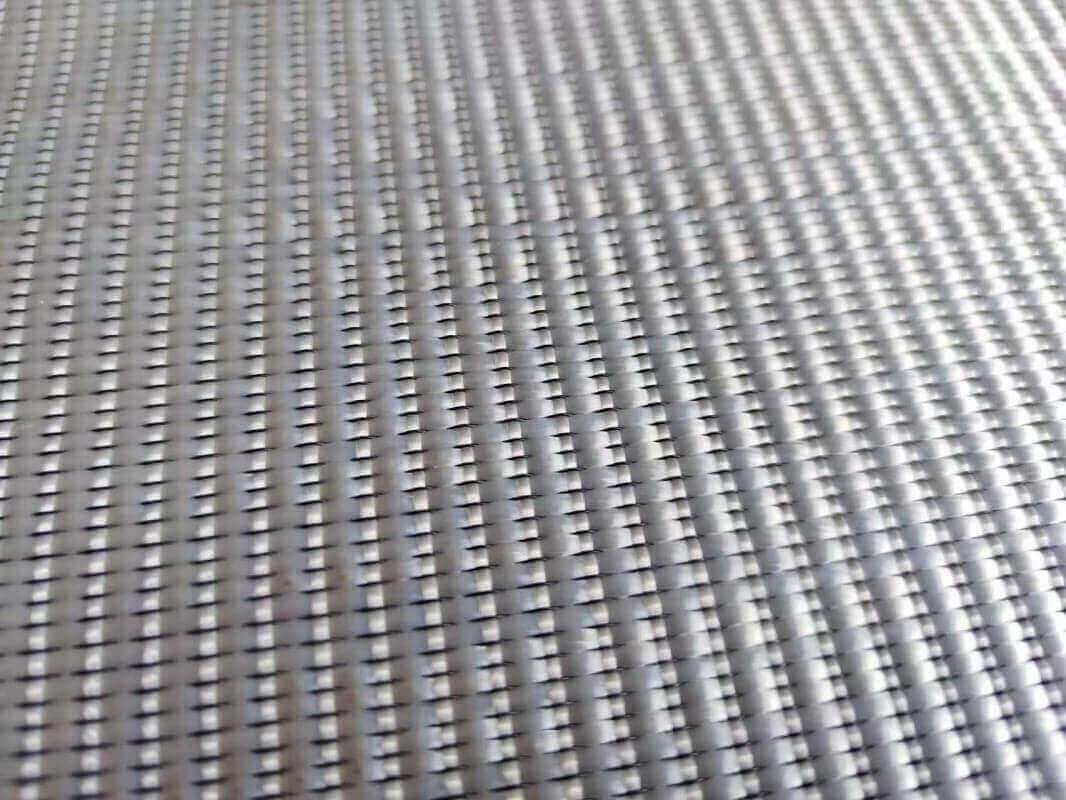
| Appearance | Tight, grid-like structure | Felt-like texture |
| Strength | High tensile strength | Moderate tensile strength |
| Permeability | Lower water permeability | High water permeability |
| Durability | Long-lasting in load-bearing areas | More suited for short-term projects |
| Primary Function | Reinforcement and separation | Filtration and drainage |
Woven Geotextiles
High Strength: The tightly interwoven fibers provide excellent tensile strength, making them ideal for heavy loads and reinforcement applications.
Low Elongation: They don’t stretch much, which helps in maintaining soil stability.
Resistance to Degradation: Woven geotextiles are highly resistant to UV rays, chemicals, and environmental stresses.
Non-Woven Geotextiles
High Permeability: Their porous structure allows water to flow through, preventing waterlogging and erosion.
Flexibility: Non-woven geotextiles conform better to uneven surfaces.
Lightweight: Easier to install and handle, especially in smaller projects.
| Type | Advantages | Disadvantages |
|---|---|---|
| Woven Geotextiles | – Excellent strength for load-bearing projects | – Lower water permeability |
| – Long-lasting durability | – Less effective for drainage | |
| Non-Woven Geotextiles | – High permeability for drainage | – Lower tensile strength |
| – Lightweight and flexible | – Shorter lifespan in heavy-duty applications |
Applications of Woven and Non-Woven Geotextiles
Woven geotextiles are often used in:
Road Construction: They separate soil layers, preventing mixing and improving road durability.
Railways: Provide reinforcement and distribute loads evenly.
Retaining Walls: Stabilize the structure and prevent collapse.
Non-woven geotextiles find applications in:
Drainage Systems: Prevent clogging by allowing water to pass through while blocking sediments.
Erosion Control: Used along riverbanks, slopes, and coastal areas.
Landfills: Act as a filtration layer to prevent leachate from contaminating surrounding soil.
Geotextile Distributors and Geosynthetic Material Market
The geotextile market is thriving globally, with distributors focusing on high-demand regions such as North America, Europe, and Asia. Geotextile distributors offer a wide range of products tailored to specific applications, from civil engineering projects to environmental solutions.
Trends Driving the Market
Infrastructure Development: Rapid urbanization is boosting the demand for durable materials like woven and non-woven geotextiles.
Environmental Awareness: Geosynthetics, including geotextiles, are becoming more popular due to their ability to support sustainable construction practices.
Cost Efficiency: Compared to traditional methods, geotextiles offer a cost-effective solution for soil stabilization and drainage.
Leading Regions for Geotextile Use
Asia-Pacific: The fastest-growing market due to infrastructure projects in countries like China and India.
North America: High adoption in environmental applications such as landfill management.
Europe: Extensive use in erosion control and water management systems.
| Project Type | Recommended Geotextile |
|---|---|
| Road or highway construction | Woven geotextile |
| Drainage and filtration systems | Non-woven geotextile |
| Retaining walls | Woven geotextile |
| Erosion control | Non-woven Geotextile |
Both woven and non-woven geotextiles are essential components of modern construction and environmental projects. While woven geotextiles excel in strength and durability, non-woven geotextiles are unbeatable in drainage and filtration applications. Understanding their differences and strengths can help you choose the best material for your needs.
As the demand for geosynthetic materials continues to grow, partnering with reliable geotextile distributors ensures you receive high-quality products that meet your project requirements. Whether you’re working on a large-scale infrastructure project or a small erosion control task, geotextiles remain a cost-effective and sustainable solution for modern challenges.
Recent Post
Aquaculture Pond Lining in Indonesia | From Design to Installation
From Project Drawing to Water Filling: An Aquaculture Pond Lining Project in Indonesia This aquaculture pond project in Indonesia started with a project drawing.The customer firstly contacted us
When Is Geotextile Really Necessary?
When Is Geotextile Really Necessary in Civil Engineering Projects? Geotextiles are widely used in modern infrastructure and environmental engineering. However, a common question among engineers, designers, and contractors is: Is geotextile always necessary? In
Woven Polypropylene Geotextile Manufacturer | Engineering Grade & Landscape Fabric
Woven Polypropylene Geotextile Manufacturer | Engineering Grade & Landscape Fabric By Planetliner — Manufacturer of High-Performance Woven PP Fabrics for Global Projects Woven polypropylene geotextile has become a fundamental material in civil engineering, environmental protection,